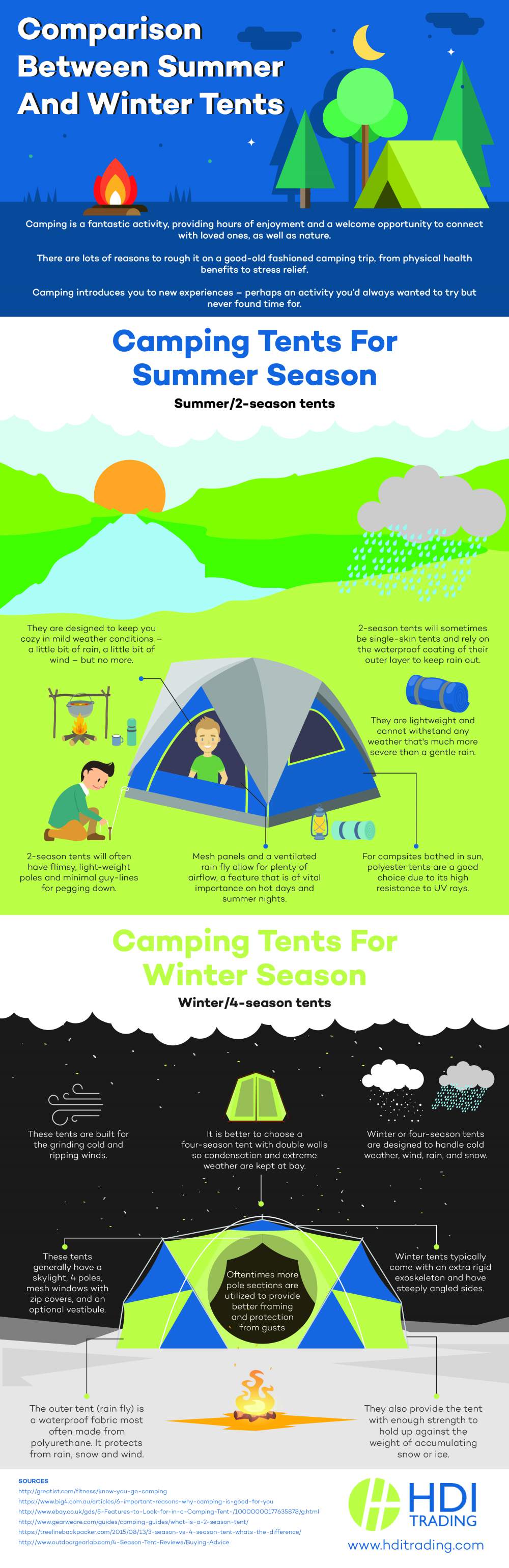
An excellent rainfall fly is vital to a camping tent's comfort and security. However it's easy to make mistakes when setting it up, which can be frustrating and lead to a damp evening's rest.
Take your time and meticulously set up the tent, consisting of the rainfly. After that cinch it up and inspect that all the clips, buckles, and closures are operating properly.
1. Forgetting the Rainfall Fly
The rainfall fly may seem like a lightweight piece of fabric, however it's your key protection against rain. Several campers fail to remember to bring it or try to establish their camping tent without it. This can lead to a soaked mess and leakages. If you do bring it, ensure to pitch it in a spot that is not as well low to the ground. Also, it is necessary to stress the fly to ensure that it does not droop and enable water right into your camping tent. If you do, the water can seep right into the seams and create a leak. You can prevent this by bring a sponge to mop up any roaming water in the morning.
2. Not Taking Your Time
It's not unusual for campers to hurry when setting up their tent. Regrettably, rushing can bring about mistakes that can cost you a lot. For instance, neglecting the rain fly or attempting to connect it in the putting rain is a surefire dish for soggy gear and a miserable evening. To avoid this challenge, have somebody look after the rainfall fly while you set up the outdoor tents body and protect all the posts and connections. Then, when everything is ended up, take a good consider your work and see to it the rain fly is taut and all zippers are shut.
4. Not Staking Your Outdoor Tents Correctly
An inadequately staked outdoor tents is at the grace of wind and weather condition. Taking a few extra mins to lay your outdoor tents correctly makes the distinction between getting up refreshed and lying awake in a cold, drafty mess.
The best method to stake your camping tent is to do it prior to you come to the campsite. Hunt the area for an area that's drained of nadirs where water gathers (hi, puddle) and far from terrain shapes that might funnel winds straight right into your camping tent.
Additionally, remember that rocky websites usually avoid the use of standard wire-pin stakes. In these cases, it's an excellent concept to bring fist-sized hunting to football-sized rocks to make use of as deadweight anchors. Run cord from each edge loop and guyline accessory indicate these rock supports for additional stability.
5. Stopping working to Tension the Fly
While it's alluring to leave the fly focused width-wise and fairly tight, outdoor tents fabrics have a tendency to droop when they cool and get wet, and this can develop leak factors around the sides and corners of the tent body. To aid prevent this, regularly check and re-tension individual lines.
A recent improvement to this has been to attach a tiny channel per side "0" ring and screw in a water bottle, which then instantly lowers the fly throughout storm problems while keeping fly stress. It's an easy addition that makes the Hennessy Hammock a lot more valuable in bad weather.